Training on Instrumentation in Oil and Gas Refineries
Design Skills
Software
Case Studies
Training
Instrumentation in Oil and Gas Refineries Training for Electrical and Instrumentation Engineers
(Training + Skill Assessment + Certification + Project)
Overview
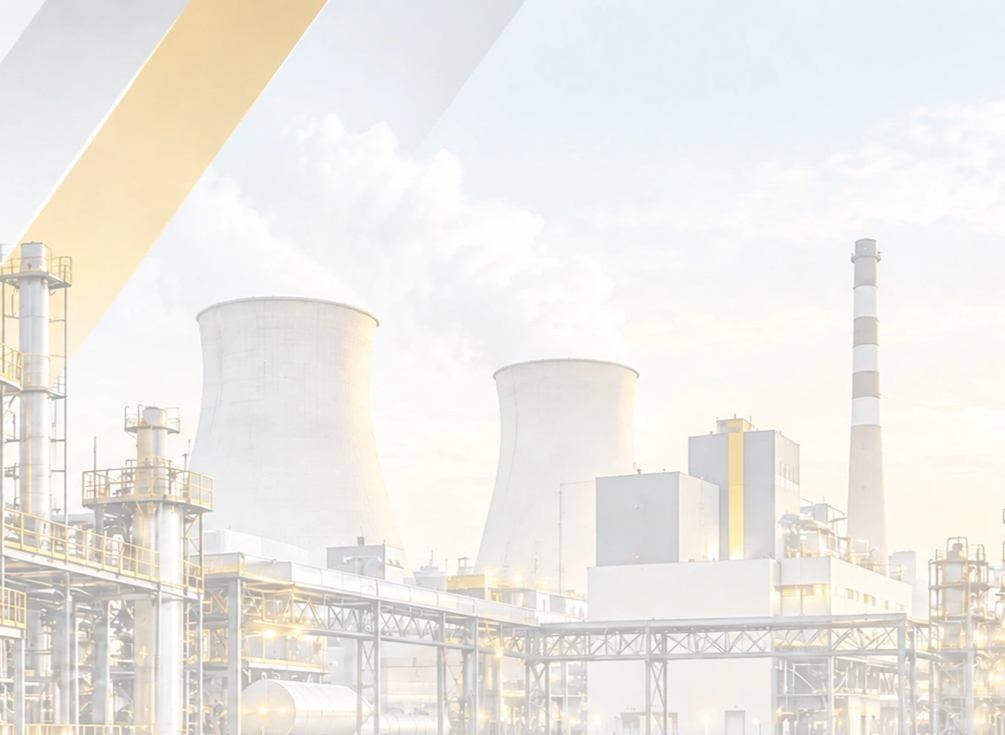
The Instrumentation in Oil and Gas Refineries Training is designed to equip electrical and instrumentation engineers with practical knowledge and hands-on skills to design, install, operate, and maintain instrumentation systems in refinery environments. The course covers process sensors, analyzers, transmitters, controllers, safety systems, SCADA/DCS integration, and instrumentation for refining processes such as distillation, cracking, hydroprocessing, and storage.
Engineers with practical experience but without formal certification can undergo a skill assessment to identify gaps in their knowledge of refinery instrumentation. Targeted training is provided to strengthen weak areas. Participants receive certification and project documentation upon completion. Fresh graduates gain practical exposure to instrumentation systems used in petroleum refining, petrochemical production, and associated utilities.
Why Skill Assessment Is Important
Skill assessment ensures participants are evaluated for:
Understanding instrumentation systems used in refinery processes
Proficiency in flow, level, pressure, temperature, and chemical analyzers
Ability to integrate instruments with SCADA, DCS, and safety systems (ESD, SIS)
Troubleshooting, calibration, and optimization of instrumentation performance
Compliance with industry safety, environmental, and operational standards
This ensures training focuses on improving practical competence and readiness for refinery instrumentation projects.
Topics Covered
1. Fundamentals of Refinery Instrumentation
Overview of oil and gas refinery operations and instrumentation requirements
Types of sensors: flow, level, pressure, temperature, and analyzers for chemical processes
Signal processing, data acquisition, and control
Integration with SCADA, DCS, and safety systems
2. Installation, Calibration, and Testing
Best practices for installation of instrumentation in refinery units
Calibration and performance verification of field instruments and analyzers
Preventive maintenance and troubleshooting of instrumentation systems
Safety measures for hazardous, flammable, and high-temperature environments
3. Integration with Process and Safety Systems
Interfacing instruments with SCADA, DCS, and safety shutdown systems
Real-time monitoring, alarm management, and automated process control
Data logging, reporting, and performance optimization
Troubleshooting communication and integration issues
4. Safety, Compliance, and Best Practices
Industrial and process safety standards (API, IEC, OSHA, NFPA)
Personal protective equipment (PPE) and safe operational practices
Hazardous area instrumentation, ATEX compliance, and explosion-proof systems
Documentation, reporting, and standard operating procedures (SOPs)
5. Practical Project Work
Installation, calibration, and testing of instrumentation systems in refinery units
Integration with SCADA/DCS for process monitoring and safety
Troubleshooting, optimization, and validation of instrumentation performance
Complete project documentation and reporting
What You Will Learn
After completing this course, participants will be able to:
Design, install, and maintain instrumentation systems in oil and gas refineries
Integrate sensors and controllers with SCADA, DCS, and safety systems
Troubleshoot, calibrate, and optimize instrumentation performance
Ensure safety, compliance, and proper documentation
Execute practical projects demonstrating refinery instrumentation skills
Certification
Participants who complete skill assessment, training, and project work will receive Instrumentation in Oil and Gas Refineries Certification for Electrical and Instrumentation Engineers, validating their practical skills and readiness for refinery projects.
Who Can Join?
Diploma / B.Tech / M.Tech in Electrical, Electronics, Instrumentation, or E&I
Engineers with practical experience in refinery instrumentation but lacking formal certification
Maintenance, commissioning, and automation engineers in refining or petrochemical units
Fresh graduates seeking hands-on exposure to instrumentation systems in oil and gas refineries
Build Skills. Build Teams. Build Workforce Capacity.
We build the technical capabilities that keep industries running, projects moving and workforces productive.